
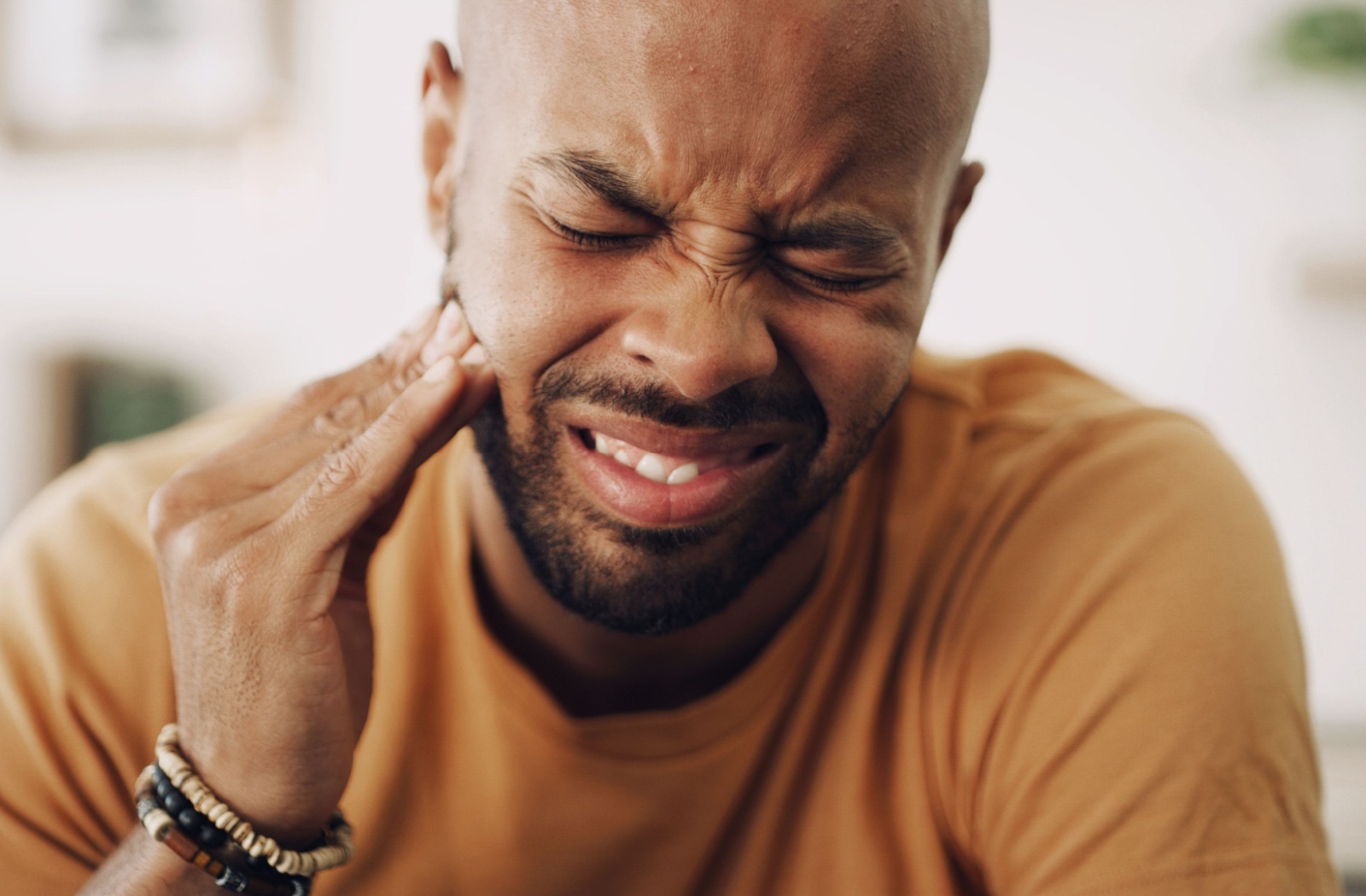
You take a bite of your favourite sandwich, and suddenly a sharp pain shoots through your tooth. This uncomfortable experience happens more often than you might think, and it can turn something as simple as eating into a stressful situation.
Tooth pain while chewing typically occurs due to cavities, cracked teeth, dental infections, or bite problems that put pressure on sensitive areas of your teeth. Understanding what’s causing your discomfort can help you take the right steps toward relief at Markham Dental Smiles.
Common Causes of Tooth Pain While Chewing
Large Cavities & Decay
When cavities grow large enough, they create spaces where food particles get trapped. This puts direct pressure on the sensitive inner layers of your tooth, causing pain every time you bite down. The deeper the cavity, the more intense the discomfort becomes.
- Sharp pain when eating sweets or sticky foods
- Lingering discomfort after meals
- Rough edges or holes you can feel with your tongue
Cracked or Fractured Teeth
Even tiny hairline cracks can expose the nerve pathways inside your tooth. When you apply pressure during chewing, these cracks open slightly and allow temperature changes or food particles to reach sensitive areas. You might not even see the crack, but you’ll definitely feel it.
- Pain only when pressure is applied
- Sensitivity to temperature changes
- Feeling like something is stuck between your teeth
High Fillings, Crowns, or Dental Work
Sometimes new dental work sits slightly higher than your natural bite. This creates uneven pressure when you chew, forcing certain teeth to work harder than others. Your jaw muscles and teeth respond with soreness and discomfort.
- Pain immediately after dental treatment
- Soreness in opposing teeth
- Uneven pressure when biting down
Infection & Abscess-Related Pain
Dental Abscesses Around Tooth Roots
When bacteria reach the root of your tooth, they create an infection that builds pressure in the surrounding tissue. Any additional pressure from chewing becomes extremely painful because the area is already inflamed and tender.
- Throbbing pain when biting down
- Small bumps or pimples on gums
- Salty taste from drainage
Advanced Gum Disease
Advanced gum disease weakens the support structure around your teeth. When you chew, your teeth move slightly in their sockets because they lack proper support. This movement irritates already inflamed gum tissue and creates ongoing discomfort.
- Bleeding or swollen gums
- Loose teeth
- Exposed tooth roots
Structural & Bite Issues
Loose or Damaged Dental Restorations
Old fillings, crowns, or bridges can develop gaps where bacteria and food particles collect. These failing restorations also move slightly when you chew, creating pressure on the tooth underneath and causing sharp, sudden pain.
Teeth Grinding & Jaw Clenching
If you grind your teeth at night or clench your jaw during stressful moments, you’re putting enormous pressure on your teeth. This constant stress wears down protective enamel and makes your teeth hypersensitive to normal chewing pressure.
Other Health Factors That Affect Chewing
Sinus Pressure & Congestion
Your upper back teeth sit very close to your sinus cavities. When your sinuses become inflamed from allergies or illness, the pressure pushes down on these tooth roots. Every bite creates additional pressure that your already-stressed sinuses can’t handle.
Gum Recession & Root Exposure
Receding gums expose the softer root surfaces of your teeth, which don’t have the same protective enamel as the crown. These exposed areas become extremely sensitive to pressure, temperature, and touch during normal chewing.
When to Visit Your Markham Dentist
Warning Signs That Need Professional Care
Some symptoms indicate that your tooth pain requires immediate professional attention rather than home care. These warning signs often point to serious infections or structural damage that can worsen quickly without treatment.
- Pain that lasts more than 2 days
- Swelling in face or gums
- Fever along with tooth pain
- Difficulty opening your mouth
How Your Dental Team Can Help
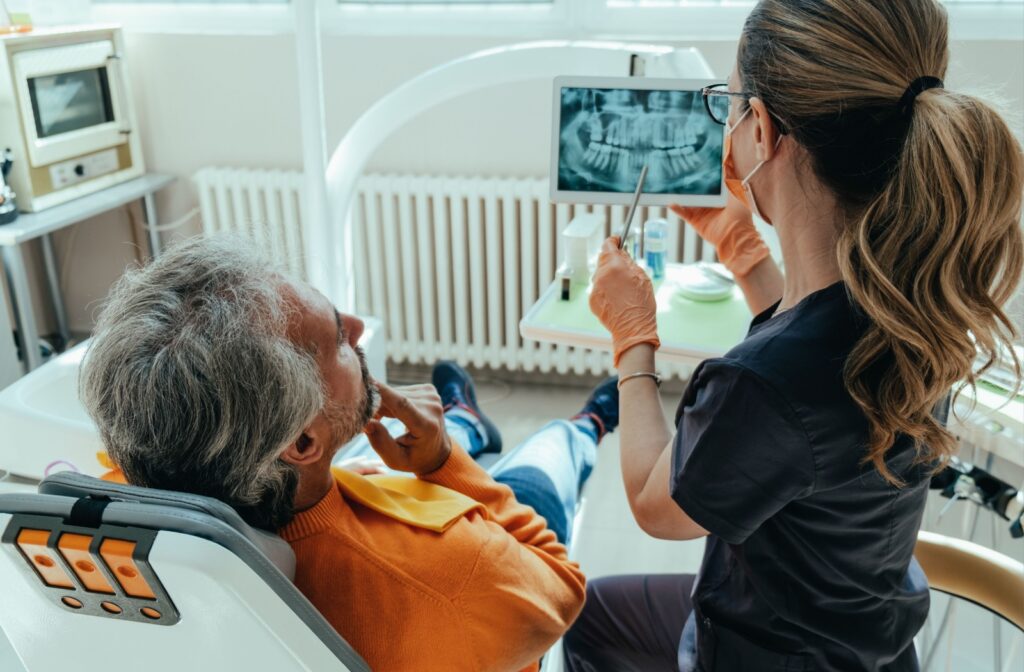
Dental professionals use specialized tools like digital X-rays and intraoral cameras to pinpoint exactly what’s causing your chewing pain. They can identify problems that aren’t visible to the naked eye and create a treatment plan that addresses the root cause rather than just managing symptoms through comprehensive dental exams.
Whether you’re dealing with persistent tooth pain or just want to maintain your oral health, the caring team at Markham Dental Smiles can help you get back to enjoying your meals without discomfort. Contact the Markham Dental Smiles team today to schedule your consultation and take the first step toward pain-free chewing.





13 thoughts on “Why Do My Teeth Hurt When I Chew?”
Comments are closed.